Why the Console Table Sets the Tone for Your Home
Knowing how to style a console table is one of the most underrated design skills. Whether it sits in your entryway, behind a sofa, or along a hallway wall, the console table is often the first thing guests notice — and the last thing they see on their way out. It sets expectations for the rest of your home.
The challenge is that console tables occupy an awkward middle ground. They're too narrow for most functional purposes but too prominent to leave bare. That tension is exactly what makes them such powerful design moments. A well-styled console table says something about you without trying too hard. A poorly styled one — cluttered with mail, keys, and random objects — says something too.
At Joel's, we help clients select console tables and sideboards that anchor a space with intention. But the table itself is only half the equation. What you put on it — and how — makes all the difference.
The Designer's Formula: Tall, Medium, and Low
Professional stylists rely on a simple layering formula that works every time: one tall element, one medium element, and one low element. This creates visual rhythm and draws the eye across the arrangement naturally.
Here's how it works in practice:
- Tall element — A table lamp, a sculptural vase with branches, or a piece of artwork leaning against the wall. This anchors the arrangement vertically and prevents the display from looking flat.
- Medium element — A stack of design books, a framed photograph, or a decorative box. This bridges the gap between your tall piece and the table surface.
- Low element — A small tray for keys, a candle, a low-profile ceramic bowl, or a small plant. This grounds the composition and adds detail at eye level when you're close.
The key is asymmetry. Resist the urge to center everything or create perfect mirror images on either side. Slight imbalance feels more natural, more collected — like the objects arrived over time rather than all at once from a catalog.
Try grouping your tall and medium pieces together on one side, with the low element on the opposite end. Leave some breathing room in between. White space on a console table is just as important as the objects themselves.
What to Hang Above Your Console Table
The wall above a console table is prime real estate, and what you place there can make or break the entire arrangement. The most common options are a mirror, a single large artwork, or a gallery wall — each creates a very different mood.
A mirror is the classic choice for entryways. It bounces light, makes the space feel larger, and gives you a last-minute check before heading out. For proportion, choose a mirror that's roughly 50 to 75 percent of your console's width. Too small and it looks lost; too wide and it overwhelms the table.
A single piece of art works beautifully in living rooms and dining areas where you want to create a focal point. Lean it against the wall for a relaxed, collected feel, or hang it centered above the console with its bottom edge about 6 to 8 inches above the table surface.
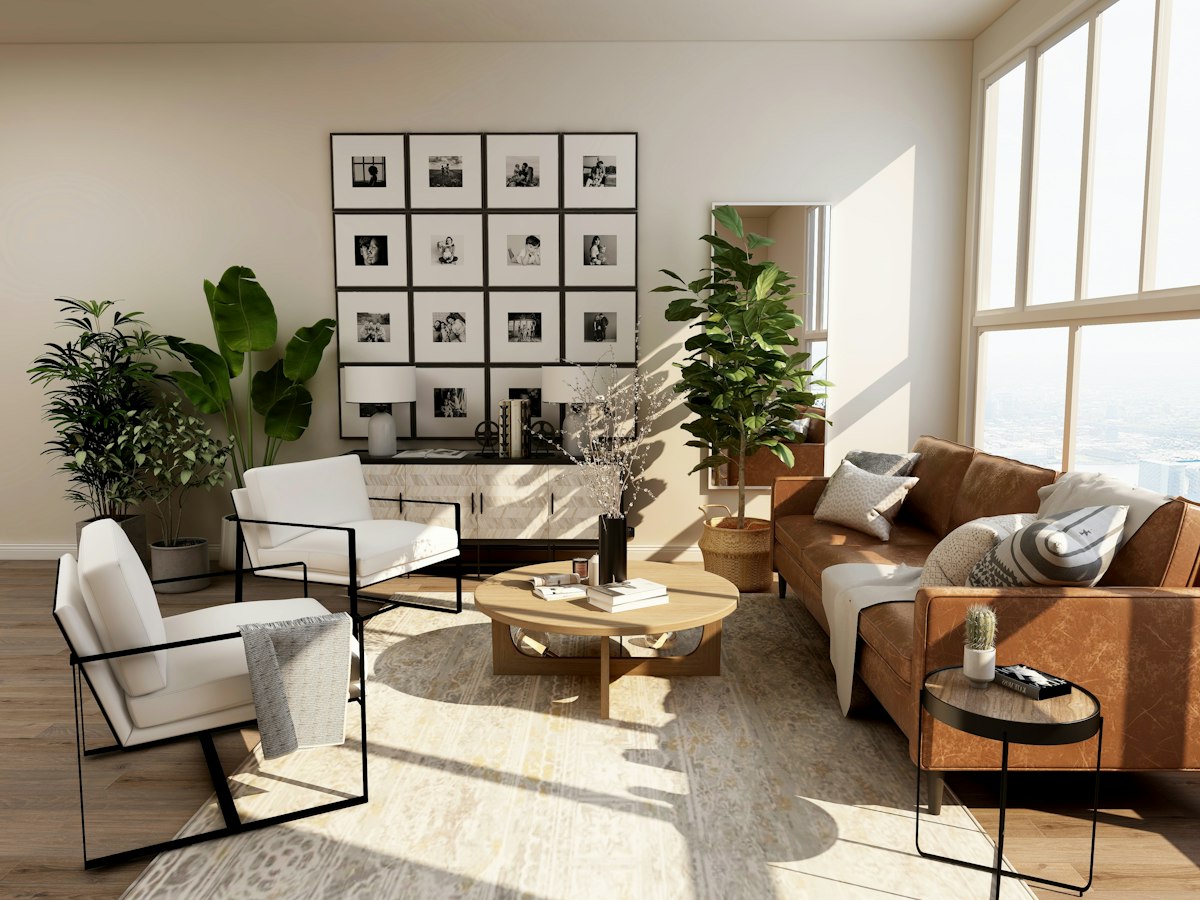
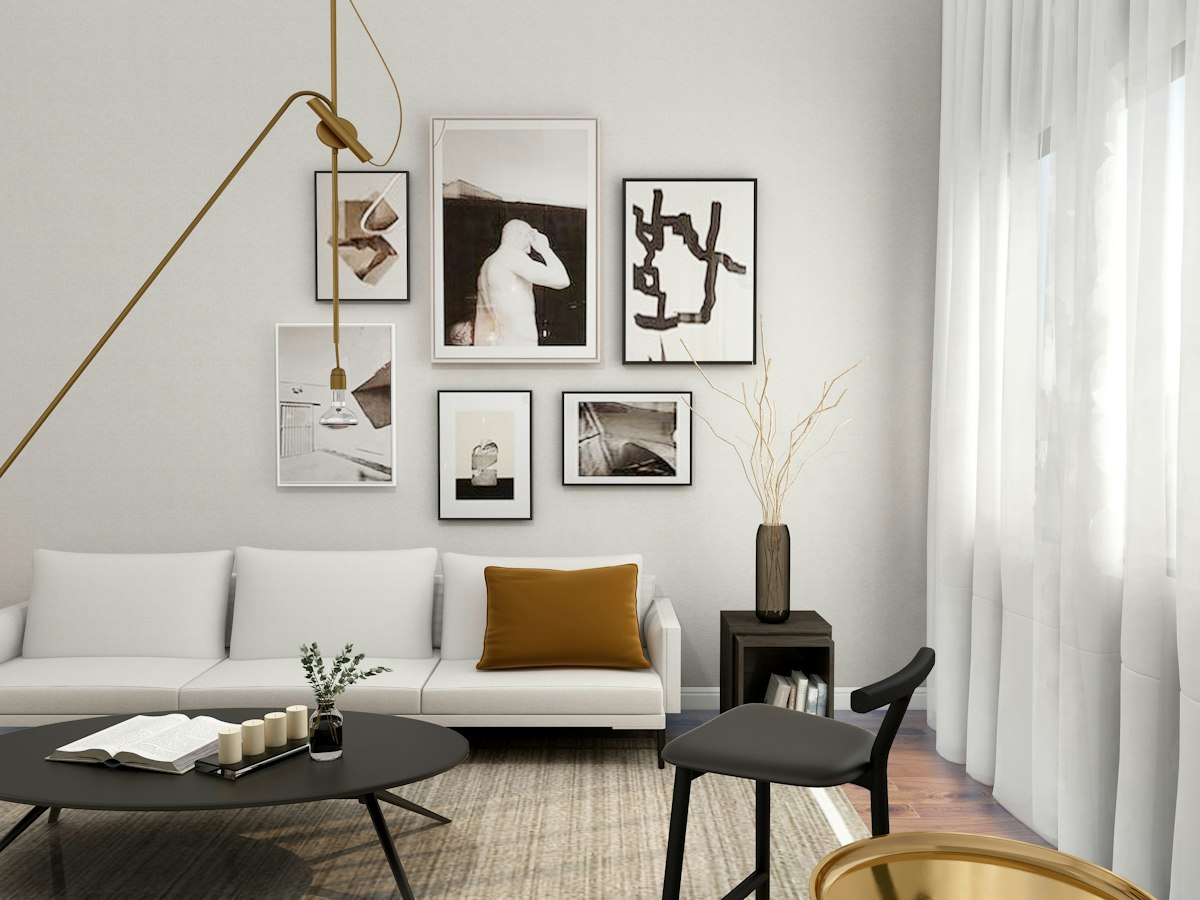
A gallery wall adds personality and works well in hallways or family rooms. Keep the arrangement's overall width within the console's width so it feels connected to the table below rather than floating independently. Browse our home decor collection for pieces that complement a gallery arrangement.
Whichever you choose, the wall treatment and the console styling should feel like one cohesive vignette, not two separate displays stacked on top of each other.
Layering Textures and Materials for Depth
The most compelling console table arrangements mix at least three different textures or materials. This is what separates a designer-styled surface from one that feels flat or sterile.
Think about combining:
- Hard and soft — A ceramic vase next to a linen-bound book
- Matte and glossy — A stone tray beneath a metallic candle holder
- Organic and refined — Dried branches in a polished brass vessel
- Warm and cool — A wooden bowl on a marble or glass surface
Texture is especially important if your color palette is neutral. When everything is cream, white, and natural wood, texture does the heavy lifting that color would otherwise handle. A woven basket, a rough ceramic pot, and a smooth lacquer box can all be the same shade of ivory and still create visual interest through their surfaces alone.
One rule we share with our clients: if you can photograph your console table and it looks flat, you need more texture contrast. The camera reveals what your eye might forgive in person.
Console Table Styling for Different Rooms
How you style a console table should respond to where it lives. The same table can serve very different purposes depending on its room.
Entryway Console Table
This is your home's handshake. Keep it functional but beautiful. A tray or bowl for keys and sunglasses, a lamp for warm evening light, and something personal — a photo, a small sculpture, fresh flowers. Avoid clutter at all costs. The entryway console should feel welcoming, not chaotic.
Living Room Console Table
Behind a sofa, the console table adds a layer of depth to your seating area. Style it with taller elements — table lamps on either end work well here since they provide reading light while anchoring the arrangement. Add books, a small plant, and a decorative object in between. This is also a natural spot for a statement piece from a curated home decor collection.
Dining Room Console or Sideboard
In a dining context, the console or sideboard doubles as a serving surface. Keep the center clear for platters and drinks during entertaining. Style the ends with candlesticks, a low arrangement of greenery, or stacked dishes that double as decor. Think of it as a stage that needs to transform for dinner parties.
Hallway Console Table
Narrow hallways call for restrained styling. One strong vertical element — a tall vase or a leaning mirror — paired with one or two small objects is often enough. The hallway console is about creating a moment of interest in a transitional space, not competing for attention.
Common Console Table Styling Mistakes to Avoid
Even with great pieces, a few common missteps can undermine your arrangement:
- Overcrowding — The number one mistake. If you can't see the surface of the table between objects, you've gone too far. Edit ruthlessly. Remove one item, then consider removing one more.
- Ignoring scale — Tiny objects on a large console look like afterthoughts. A 60-inch console needs substantial pieces. Conversely, a petite entry table can't support an oversized lamp and stacks of books.
- Matching everything — All-brass accessories or all-white ceramics lack depth. Mix metals, materials, and finishes for a collected, lived-in quality.
- Forgetting the wall — A console table with nothing above it feels unfinished, like a sentence without punctuation. Always address the vertical space.
- Purely decorative — Especially in entryways, the console should earn its keep. If there's no place for your keys, you'll end up dropping them on top of your carefully arranged display — and the whole thing falls apart.
Start With the Right Console Table
The best styling in the world can't save a console table that's the wrong size, shape, or material for your space. Before you start accessorizing, make sure your table works with the room.
Width should be no more than two-thirds the length of the wall it sits against. Height matters too — standard console tables sit around 30 inches, which works for most entryways. Behind a sofa, match the table height to the sofa back or go slightly lower.
Material sets the design direction. A warm wood console invites organic, textured styling. A sleek metal-and-glass piece calls for more refined, minimal accessories. A painted or lacquered console can go either way depending on the color.
At Joel's, our TV consoles and sideboards collection includes pieces designed for exactly these moments — substantial enough to anchor a room, refined enough to elevate everything you place on them. If you're looking for something specific to your space, reach out to our team and we'll help you find the perfect fit.
The console table may be one of the simplest pieces of furniture in your home, but styled with intention, it becomes one of the most memorable.